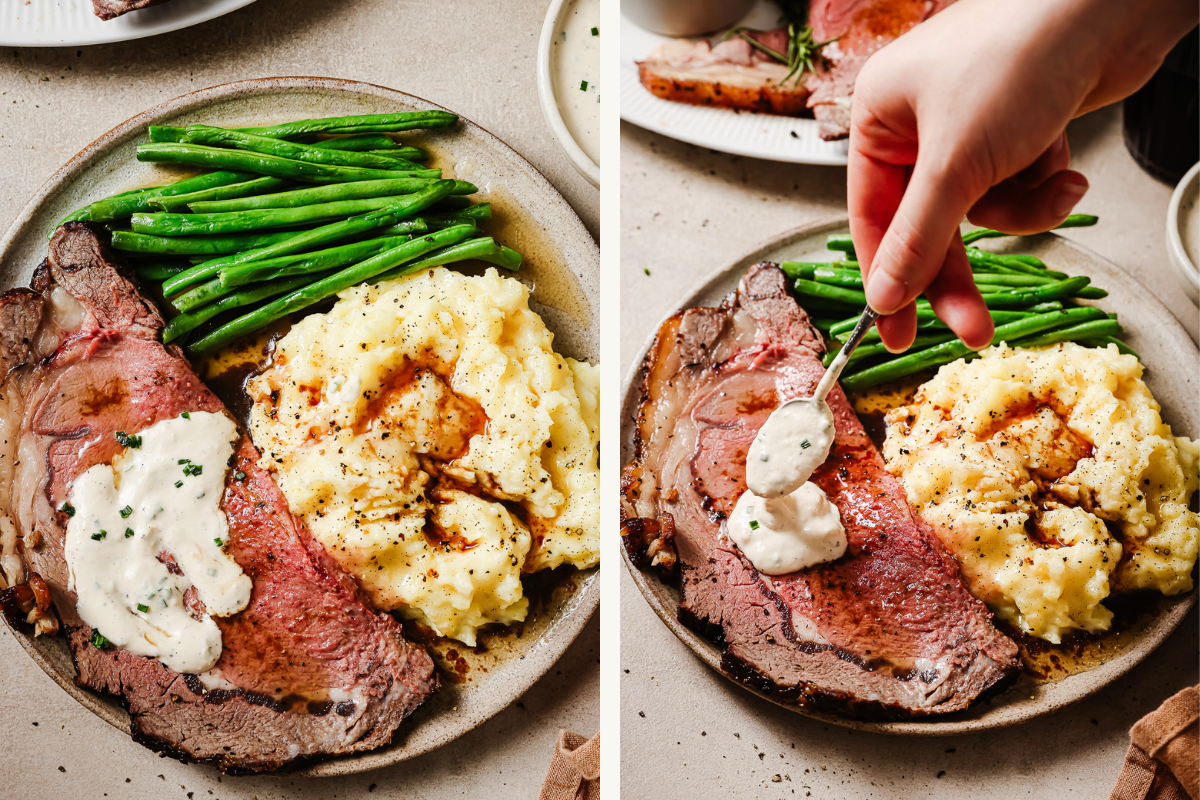
Secrets to Juicy, Tender Reverse Sear Prime Rib
Prime Rib, often considered the king of roasts, graces holiday tables and special occasions with its majestic presence. Achieving that perfect balance – a succulent, tender interior with a beautifully browned, flavorful crust – can be a daunting task with traditional roasting methods. Often, cooks are left with an overcooked grey band around the edges and a less-than-stellar crust. Enter the revolutionary technique of the
reverse sear prime rib. This method, beloved by chefs and home cooks alike, is the undisputed secret weapon for unparalleled juiciness, tenderness, and an irresistible exterior, transforming your prime rib from good to absolutely legendary.
The reverse sear isn't just a trend; it's a science-backed approach that defies conventional wisdom to deliver superior results. By starting low and slow, then finishing with a fierce sear, you unlock a level of perfection that traditional high-heat roasting simply can't match. Prepare to impress your guests and elevate your culinary game with this foolproof guide to the ultimate reverse sear prime rib.
Why Reverse Sear is the Secret Weapon for Prime Rib Perfection
The allure of the reverse sear lies in its intelligent approach to cooking large cuts of meat, directly addressing the pitfalls of conventional methods. When you cook a prime rib using the reverse sear technique, you're tapping into several key culinary principles that guarantee a superior product every time.
First and foremost is **unrivaled juiciness and tenderness**. By roasting the prime rib at a significantly lower temperature for an extended period, the muscle fibers cook gently and evenly. This minimizes moisture loss that often occurs at higher temperatures, resulting in a roast that retains more of its natural juices. The slow heat also allows collagen within the connective tissues to break down gradually into gelatin, contributing to an incredibly tender texture that practically melts in your mouth.
Secondly, the reverse sear method excels at achieving **edge-to-edge even doneness**. With traditional roasting, the outer layers of the meat cook much faster than the center, creating an undesirable "grey band" of overcooked meat beneath the crust. The gentle, consistent heat of the reverse sear allows the internal temperature to rise slowly and uniformly, ensuring your prime rib is cooked to your desired doneness from one edge to the other, with virtually no grey band. This visual perfection is as satisfying as the taste.
Finally, let's talk about the **superior crust**. While the initial low-temperature roast might seem counterintuitive for a crispy exterior, it actually prepares the surface of the meat perfectly. The extended low heat gently dries out the exterior of the prime rib, creating an ideal environment for the Maillard reaction to occur rapidly and intensely during the final high-heat sear. This chemical reaction is responsible for developing those complex, savory flavors and the deep, beautiful brown crust that is the hallmark of a perfectly cooked roast. The reverse sear delivers a crust that is both crisp and bursting with flavor, without incinerating the delicate meat beneath.
If you're still weighing your options, our detailed comparison of
Reverse Sear vs. Traditional Prime Rib: Which is Best? further illuminates why the reverse sear often comes out on top for discerning cooks. The scientific advantages of the reverse sear method make it the clear choice for anyone aiming for truly exceptional prime rib.
Choosing Your Prime Rib & Essential Prep for Success
The journey to a perfect reverse sear prime rib begins long before it ever sees the oven. Selecting the right cut and preparing it meticulously are crucial steps that lay the foundation for success.
Selecting the Right Prime Rib
*
Bone-in vs. Boneless: While boneless prime rib is easier to carve, bone-in roasts offer superior flavor and insulation, leading to a juicier outcome. The bones can be removed after cooking, or even tied back on for roasting, then removed for carving. For the best flavor and moisture, we highly recommend a bone-in roast.
*
Grade: Look for USDA Prime or Choice grade beef. Prime beef will have more marbling (intramuscular fat), which translates to more flavor and tenderness. Choice is also excellent and more widely available.
*
Size: A good rule of thumb is to calculate one rib for every two people, or about 1 pound per person. A 3-rib roast typically feeds 6-8 people.
Pre-Roast Preparation Steps
1.
Bring to Room Temperature: This is a non-negotiable step for even cooking. Remove your prime rib from the refrigerator at least 3-4 hours before roasting. For larger roasts, it might even take 5-6 hours. A room-temperature roast cooks more uniformly, preventing the exterior from overcooking while waiting for the center to catch up.
2.
Score the Fat Cap: The fat cap on top of the prime rib is packed with flavor. Using a sharp knife, score the fat in a crosshatch pattern, being careful not to cut into the meat itself. This helps the fat render more efficiently, creates more surface area for seasoning, and contributes to a crispier crust.
3.
Season Liberally: This isn't the time to be shy with seasoning. For a basic yet incredibly effective seasoning, use plenty of coarse kosher salt and freshly cracked black pepper. For enhanced flavor, mix in granulated garlic, onion powder, and dried herbs like rosemary and thyme. Rub the seasoning all over the roast, especially into the scored fat. *
Pro Tip: For an even deeper flavor penetration, season your prime rib 24-48 hours in advance and leave it uncovered in the refrigerator. This dry-brining process draws moisture out, then reabsorbs it with the salt, leading to a much more flavorful and tender roast.*
4.
Trussing (Optional but Recommended for Boneless): If you have a boneless prime rib, tying it with butcher's twine at 1-2 inch intervals helps maintain a uniform shape, ensuring even cooking.
Essential Equipment
*
Roasting Pan with Rack: Elevates the roast, allowing hot air to circulate evenly around all sides.
*
Reliable Meat Thermometer: A leave-in probe thermometer is crucial for monitoring the internal temperature throughout the slow roast. An instant-read thermometer is also handy for quick checks during the searing stage.
*
Sharp Carving Knife: For effortless slicing against the grain.
The Low-and-Slow Roast for Unmatched Tenderness
This is where the magic of the
reverse sear prime rib truly begins. The low-temperature roasting phase is all about patience and precision, ensuring that tender, evenly cooked interior.
Setting Up Your Oven and Roast
*
Oven Temperature: Preheat your oven to a very low temperature, typically between 225°F and 275°F (107°C - 135°C). We recommend 250°F (121°C) as an excellent starting point. A lower temperature provides greater control and minimizes the risk of overcooking.
*
Roast Placement: Place your seasoned prime rib, fat-side up, on a rack set inside a roasting pan. This setup allows the fat to render and baste the meat below, while ensuring even airflow.
*
Insert Probe Thermometer: Insert the probe of your oven-safe meat thermometer into the thickest part of the roast, avoiding bone. This is your most critical tool for monitoring doneness.
Monitoring and Target Temperatures
*
Patience is Key: Resist the urge to open the oven door frequently, as this causes temperature fluctuations and extends cooking time. Let your probe thermometer do the work.
*
Approximate Cooking Times: While exact times vary significantly based on the roast's size, its starting temperature, and your oven's accuracy, a 3-rib roast might take 2.5-4 hours, and a larger 7-rib roast could take 4-6 hours. **Do not rely on time alone; always go by internal temperature.**
*
Target Internal Temperature for Low Roast: This is one of the most important tips for a perfect reverse sear prime rib. You will pull the roast out of the oven **5-10 degrees below your final desired doneness.** This accounts for carryover cooking (the meat's internal temperature will continue to rise once removed from heat) and leaves room for the final sear.
*
Rare: Pull at 115-120°F (46-49°C) for a final 125°F (52°C)
*
Medium-Rare: Pull at 120-125°F (49-52°C) for a final 130-135°F (54-57°C)
*
Medium: Pull at 125-130°F (52-54°C) for a final 135-140°F (57-60°C)
The Crucial Pre-Sear Rest
Once your prime rib reaches its target internal temperature, remove it from the oven. This is another vital step in the reverse sear method. Let the roast rest on the counter, uncovered, for 20-40 minutes. This temporary rest allows the carryover cooking to complete and the juices to redistribute slightly before the final searing stage. It also allows the surface to cool and dry slightly, which is crucial for achieving that superior crust during the high-heat blast.
The Sizzling Sear & The Golden Rule of Resting
After the patient low-and-slow roast, it’s time for the grand finale: the high-heat sear. This quick burst of intense heat is what develops that irresistible, deeply flavorful crust that contrasts beautifully with the tender interior of your reverse sear prime rib.
Preparing for the Sear
1.
Increase Oven Temperature: While your prime rib is resting, crank your oven up to a high temperature, typically 450°F to 500°F (230°C - 260°C). If using a cast iron skillet, place it in the oven during preheating to get it screaming hot.
2.
Pat Dry: Gently pat the surface of the prime rib completely dry with paper towels. Any excess moisture will steam instead of sear, hindering crust formation.
3.
Optional Re-Seasoning: You can add a light sprinkle of fresh salt or pepper if desired.
The Searing Method
You have two primary options for the searing stage, both effective for creating that perfect crust:
*
Oven Sear: Return the prime rib to the preheated 450-500°F (230-260°C) oven. Roast for 10-15 minutes, or until a deep, appetizing crust has formed. Keep a close eye on it to prevent burning.
*
Stovetop Sear (Recommended for Best Crust): Heat a large, heavy-bottomed cast iron skillet (or other oven-safe, heavy-duty skillet) over high heat on your stovetop until it's smoking. Add a tablespoon or two of a high smoke point oil (like grapeseed, avocado, or canola oil). Carefully place the prime rib into the hot skillet. Sear each side for 2-3 minutes, including the ends, until a rich, dark crust develops. Use tongs to lift and rotate the roast. This method often yields the most robust crust.
During the sear, the internal temperature will likely rise another few degrees, but the primary goal here is crust development, not significant cooking of the interior. Use an instant-read thermometer for a final check if you are concerned, but avoid over-searing.
The Golden Rule of Resting
Once your prime rib has achieved that glorious crust, immediately remove it from the heat source. Transfer it to a cutting board and loosely tent it with aluminum foil. This final rest is absolutely critical – do not skip it!
*
Why it's essential: As the meat cooks, its muscle fibers contract, squeezing juices towards the center. Resting allows these fibers to relax and reabsorb those juices, ensuring that every slice is incredibly moist and tender. Cutting into the roast too soon will cause all those precious juices to run out onto your cutting board, leaving you with dry meat.
*
How long: Allow your reverse sear prime rib to rest for at least 20-30 minutes for smaller roasts, and up to 45 minutes for larger ones.
*
Carving: After resting, carve your prime rib against the grain into thick, impressive slices. The bones can be removed easily at this stage for a boneless presentation or carved with the meat still attached to serve bone-in slices.
To truly master this technique from start to finish and ensure perfect results every single time, consult our comprehensive guide:
Master Reverse Sear Prime Rib for Perfect Results.
Conclusion
The reverse sear method isn't just a way to cook prime rib; it's the definitive pathway to culinary perfection. By understanding and applying the principles of low-and-slow roasting followed by a high-heat sear, you can consistently achieve a roast that boasts unparalleled juiciness, incredible tenderness, and a crave-worthy, flavorful crust. No more guessing games, no more dry edges – just a consistently magnificent centerpiece that will earn you accolades. Embrace the reverse sear for your next prime rib, and prepare to discover the true potential of this classic dish, making every slice a testament to your newfound mastery.